Why Understanding Psychology Matters for DU DECP and MS Admission?
The English version is coming soon. The original in Bangla is below.
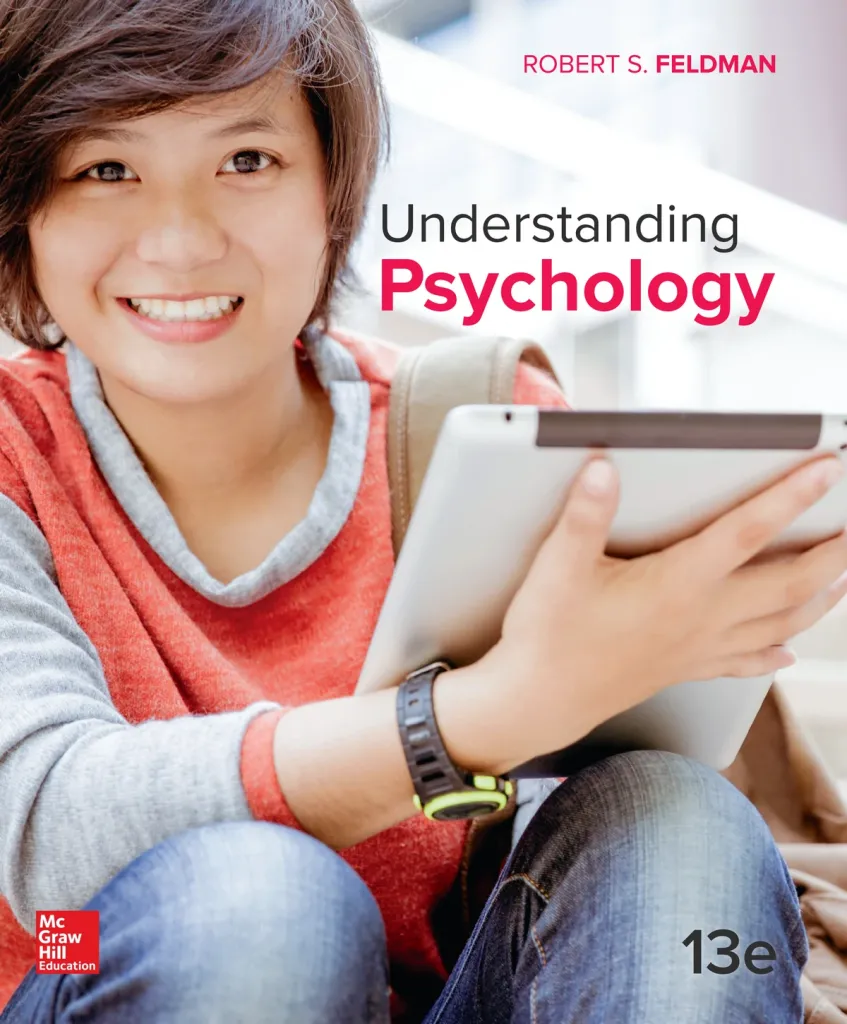
Already studied this book in first-year Honours? See how revisiting its core chapters can support DU DECP and MS Clinical Psychology admission preparation—and how our course covers the book from concepts to chapter exams.
Many Psychology Honours students have already studied Robert S. Feldman’s Understanding Psychology in their first year. It introduces the foundations and major areas of psychology, so for many students it is their Psychology 101.
Why revisit it before an MS admission exam? Because studying a textbook in the first year and using that knowledge to answer admission questions are two different things. Now the goal is to refresh the key concepts, connect related topics, and practise explaining them clearly.
Whether you are preparing for DU’s DECP or an MS in Clinical Psychology, a strong foundation in psychology is useful. The emphasis may differ between the programs, but areas such as Learning, Development, Intelligence, Personality, Mental Health, and Research can help you understand the subject more broadly.
Don’t be discouraged by the page count
The copy of the 13th edition used for this preparation is 769 pages long. That number can make the book look intimidating, but you do not need to memorise every page. Focus on understanding the important concepts, reviewing them chapter by chapter, and practising how to answer questions.
If you studied the book in your first year, many topics will already feel familiar. This time, look at how they connect: which concepts belong together, how similar terms differ, and how to organise an answer when a question comes up.
Which chapters are useful for admission preparation?
The chapters below cover topics that may be useful for admission preparation. Some topics also appear in a collected set of MS in Clinical Psychology admission questions. These are examples, not a confirmed syllabus for DU DECP or any specific MS program. Check the latest syllabus and past questions for the program you plan to apply to.
- 1. Introduction to Psychology: The definition and perspectives of psychology, including Basic and Applied Psychology. A collected question asks about the difference between Basic and Applied Psychology.
- 2. Psychological Research: The Scientific Method, research methods, and Research Ethics. Research Ethics appears in a question example.
- 3. Neuroscience and Behavior: Neurons, the brain, the nervous system, and their relationship to behavior.
- 4. Sensation and Perception: The basic processes through which people sense and interpret information.
- 5. States of Consciousness: Sleep, Dreams, Hypnosis, Meditation, and Drug Use.
- 6. Learning: Classical Conditioning, Operant Conditioning, Reinforcement, and Punishment. Learning and Reinforcement appear in question examples.
- 7. Memory: How information is remembered and forgotten.
- 8. Cognition and Language: Thinking, Reasoning, Problem Solving, and Language.
- 9. Intelligence: Intelligence and its assessment. IQ and mental age appear in question examples.
- 10. Motivation and Emotion: Motivation, human needs, and Emotion.
- 11. Sexuality and Gender: Sex, Gender, and concepts related to sexual behavior.
- 12. Development: Development across the lifespan and Piaget’s theory. Piaget appears in a question example.
- 13. Personality: Personality theories, including Psychoanalytic and Humanistic approaches. Questions on Psychoanalytic theory and Rogers’ ideas appear in the collection.
- 14. Health Psychology: Stress, Coping, and Well-Being: Stress, Coping, Mental Health, and Well-Being. Mental Health and prevention appear in question examples.
- 15. Psychological Disorders: Normal and Abnormal behavior, Anxiety disorders, OCD, Phobia, Psychotic disorders, and Schizophrenia. Several of these topics appear in question examples.
- 16. Treatment of Psychological Disorders: Psychotherapy and treatment approaches. Behavior Therapy, Cognitive Therapy, and systematic desensitization appear in question examples.
- 17. Social Psychology: Attitudes, Social Influence, Groups, Prejudice, and Discrimination. A question about stigma surrounding mental illness appears in the collection.
- Appendix: Going by the Numbers: Statistics in Psychology: Introductory Statistics, including Mean, Median, Mode, and Range. These also appear in a question example.
How to review the book
Start by refreshing the chapters you remember well. Spend more time on concepts whose definitions you know but whose differences you cannot explain clearly. For example, compare Reinforcement with Punishment, Cognitive Therapy with Behavior Therapy, and Psychotherapy with Counselling.
Keep Psychological terms in English, but make sure you can explain each one in your own words. After each chapter, close the book and try to recall the main ideas. Then practise definition, comparison, theory, and application questions. This helps you move from recognising a concept to explaining it in an exam answer.
Our course takes you through the book, step by step
A long book can be hard to organise when you are studying on your own. Our complete course takes you through Understanding Psychology in one place, beginning with clear explanations of the concepts. You then move through the chapters with chapter-wise short notes and an exam for each chapter. You can review mistakes or weaker areas before moving forward, and close the final chapter with an exam and revision.
So you do not have to plan the whole book by yourself. The course helps you revisit what you studied in Honours, clarify the concepts, review them through short notes, and check your preparation with exams. The book is covered step by step, so its page count does not have to stop you from getting started.
Final note
Understanding Psychology may already be familiar from first-year Honours, but it remains useful for MS admission preparation because its foundational concepts help you understand later topics and organise your answers.
Review the chapters according to the latest syllabus and questions for your target program. Use the book to refresh your foundation, then practise applying that knowledge in admission-style questions.